
The challenges facing facilities managers
In the 1990s, medium-sized and large companies realized that human resources professionals should play a more strategic role in their organizations, rather than just handling payroll and personnel management. The HR revolution of that time was striking, and even vice president positions were […]
In the 1990s, medium-sized and large companies realized that human resources professionals should play a more strategic role in their organizations, rather than just handling payroll and personnel management. The HR revolution of that time was striking, and even vice president positions were created, such was the importance, autonomy and results expected of the function.
That revolution happened again during and after the pandemic, with its profound impact on the world of work. Now the area that is also taking on responsibility for finding the right answers to the new workplace questions, and gaining strategic weight, is facilities management.
Professionals in this field have always known that their job is to find the best solutions to keep the business running smoothly, help put safe processes in place and motivate employees. Now they have also been handed the demands of managing the hybrid model, which is here to stay, and that means rethinking the role of the office in light of the changes in society.
It's worth asking: Is the remote work experience the same for everyone? How and when should employees be asked to come in? What costs are involved in keeping an office? How can you make sure the return to the office will be a pleasant and productive experience? Are space occupancy studies and management a trend for large companies?
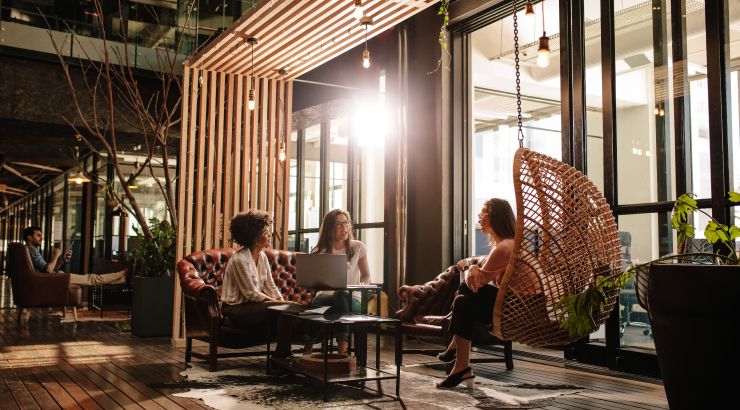
Organizations that chose to bring their teams back to the office had to adapt their workspaces in many ways, through partial or full renovations, and even by moving headquarters and relocating.
CH3, for example, recently renovated an office with several relaxation areas, a gourmet area, massage, a mini beach, a solarium, video game areas and billiards, among others. All of it to make the workplace experience as appealing and pleasant as possible for employees.
The main challenge for facilities leaders will be redefining the role of the office and giving clear answers about why and when teams should be on site. They will also need to contribute to better workplace solutions in architecture and design projects, and to building workplaces where employee well-being becomes the new draw for the return to in-person and hybrid work.
Frequently asked questions.
How does hybrid work expand the role of facilities management?
Beyond keeping spaces and services running, facilities management takes part in discussions about office occupancy and teams' needs. That means understanding when being on site makes sense and which spaces support that routine.
Read the full answerWhat should managers consider when replanning the office?
The article suggests assessing the different experiences of working from home, the costs of keeping an office and how to organize when teams come in. It also highlights occupancy management and the quality of the experience in the physical space.
Read the full answerWhat kinds of changes can support the return to the office?
The article mentions partial or full renovations, moves to new headquarters and the creation of social areas. In one of the projects described, CH3 installed relaxation areas, a gourmet area and leisure spaces.
Read the full answerAuthor
CH3 Construtora
Your next project starts with a conversation.
Tell CH3 what your company needs to build. Let's think through the next steps together.
Talk to CH3